
If you’ve ever wondered how long is 50 feet, you’re definitely not alone. Numbers on their own can feel confusing, especially when they describe distance or length. Fifty feet sounds like a lot, but unless you regularly work with measurements, it’s hard to picture what that really looks like in real life. Most people don’t walk around measuring distances every day, so the size often stays abstract.
This confusion becomes even more common when measurements appear online or in everyday situations. You might see “50 feet” mentioned when buying cables, checking room sizes, planning outdoor spaces, or reading about construction projects. Without a clear visual reference, it’s easy to underestimate or overestimate how big that distance actually is.
In this guide, you’ll learn exactly how long 50 feet is in simple terms. We’ll break it down using clear explanations, everyday comparisons, and real-life examples you already recognize. By the end, you won’t need a measuring tape to picture it—you’ll instantly know what 50feet looks like and how big it feels in real life.
What Exactly Is 50 Feet?
Fifty feet is a unit of length commonly used in the United States and a few other countries that follow the imperial measurement system. It represents a medium-to-large distance—much longer than everyday handheld objects, but still small enough to fit within homes, yards, streets, and buildings.
To make this measurement easier to understand, here are accurate conversions of 50 feet into other commonly used units.
50 feet equals 600 inches
50 feet equals 15.24 meters
50 feet equals 1,524 centimeters
50 feet equals approximately 0.0095 miles
In simple terms, 50 feet is half of 100 feet, five times longer than 10 feet, and fifty times longer than one foot. It’s a length often used when measuring rooms, outdoor areas, cables, fences, parking spaces, and sports areas.
You’ll frequently see 50 feet used in construction, landscaping, safety regulations, swimming pools, warehouses, and event setups. It’s long enough to feel significant but still easy to measure and manage.
How Big Does 50 Feet Feel in Real Life?
Understanding how long 50feet is becomes much easier once you connect it to real-world movement and space. Walking 50feet usually takes about 15 to 20 normal steps for an average adult. That means it’s not a huge distance, but it’s definitely not small either.
If you stand at one end of a 50-foot space and look toward the other end, you’ll notice it feels farther than most rooms in a house. It’s roughly the length of a small building, a wide backyard, or several parked cars lined up. You wouldn’t reach the end in just a few steps, but you also wouldn’t need to walk for long.
In everyday life, 50 feet feels like a distance that separates spaces rather than connects them closely. It’s enough to create visual separation, privacy, or safety distance, which is why it’s commonly used in rules, planning, and layouts.
See Aslo: How Long Is 300 Feet? Real-Life Examples Explained
Real-Life Examples That Show How Long 50 Feet Really Is
To truly understand how long is 50 feet, the best approach is to compare it with familiar, everyday things. Below are clear, relatable examples that make this measurement easy to visualize without using any tools.
1: A Standard School Bus Length
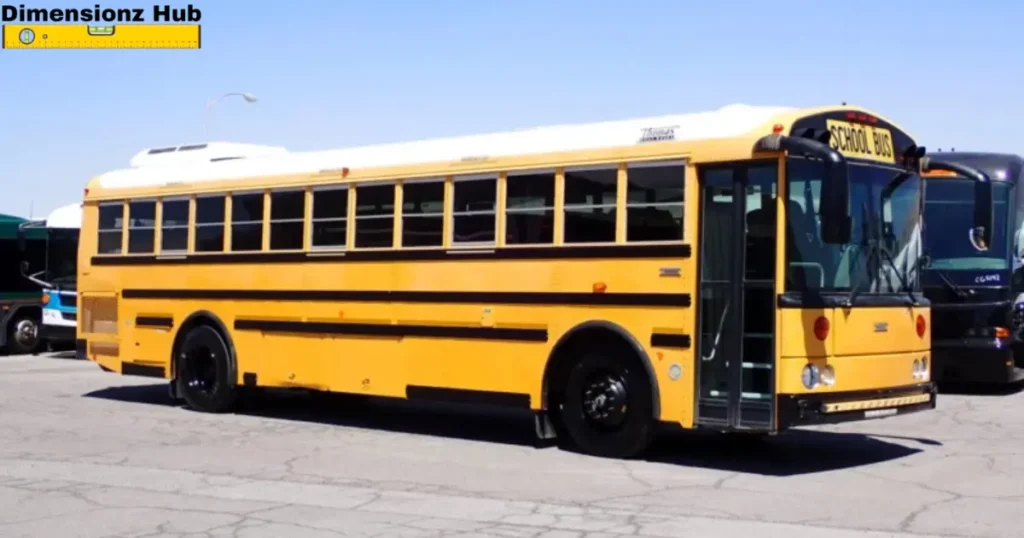
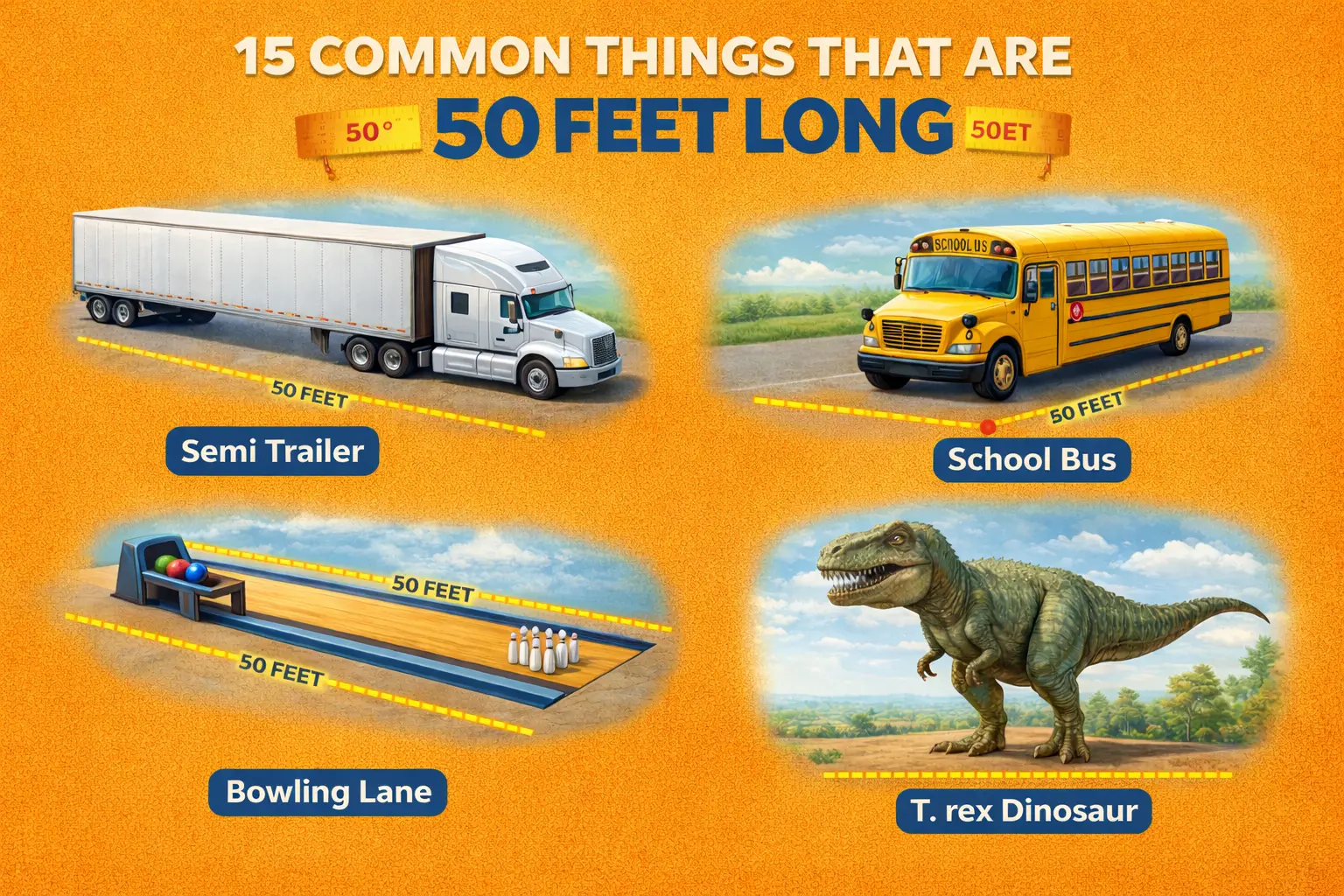
A typical school bus is about 35 to 45 feet long, depending on the model. That means 50feet is slightly longer than one full-size school bus. If you imagine a school bus parked on the road, 50 feet would extend a bit past its front or back. This makes it a strong visual reference because school buses are large, familiar vehicles most people have seen up close.
2: Five Average Cars Parked Bumper to Bumper
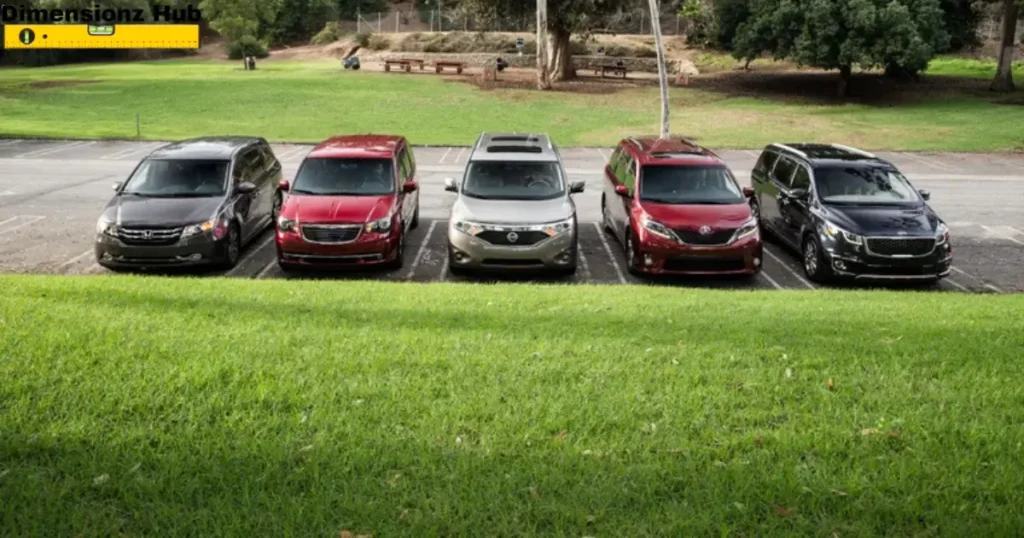
The average car is about 10 feet long. When five cars are parked bumper to bumper in a straight line, the total length is roughly 50feet. This is one of the easiest ways to picture the distance. If you’ve ever walked past a row of parked cars, imagining five of them lined up gives you an instant sense of scale.
3: The Width of a Medium-Sized House
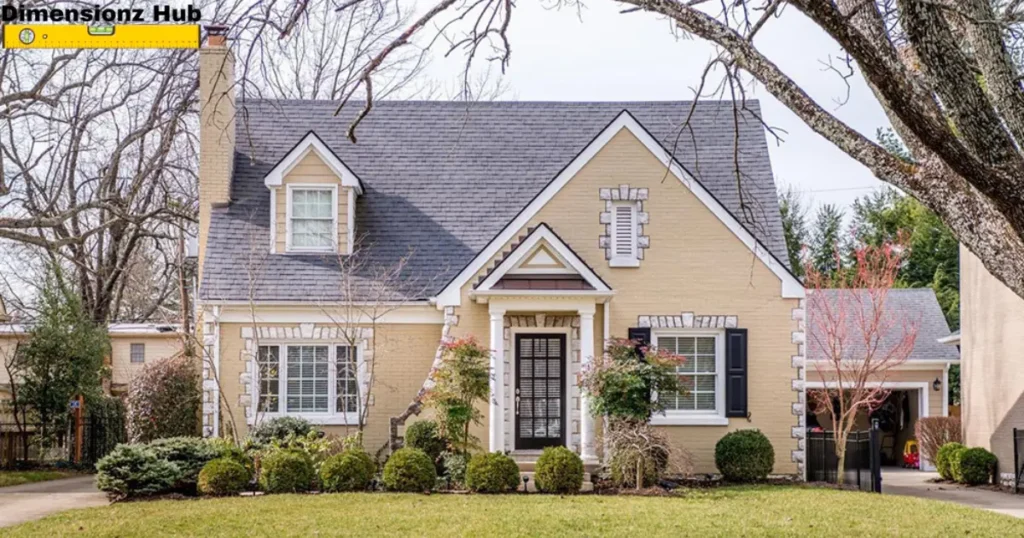
Many medium-sized homes are around 40 to 50 feet wide from one side to the other. Standing in front of such a house, the distance from one outer wall to the opposite wall is often close to 50 feet. This example helps because it ties the measurement to a structure people see daily.
4: Half the Length of a Basketball Court
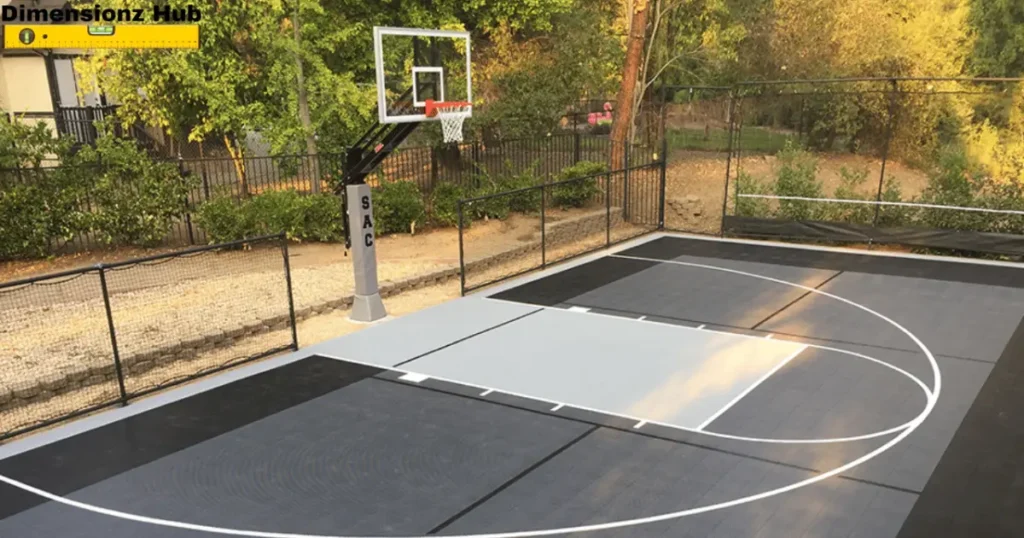
A full basketball court is 94 feet long. Half of that court is just under 47 feet, which is very close to 50 feet. If you imagine standing at the center of the court and looking toward one basket, that distance is almost exactly what 50 feet feels like.
5: The Length of a Bowling Lane
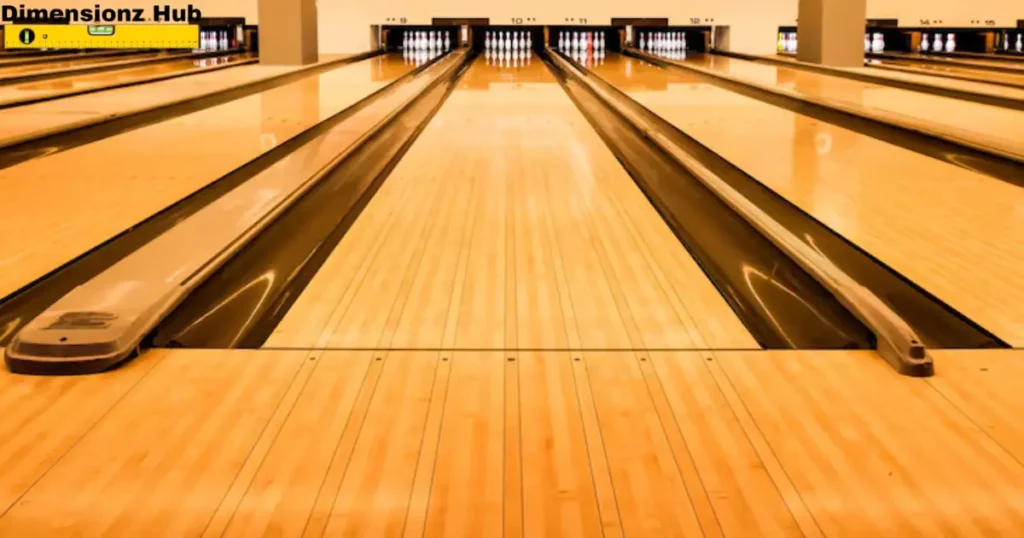
A standard bowling lane is about 60 feet long from the foul line to the pins. Fifty feet is slightly shorter than that distance. If you picture rolling a bowling ball down the lane, 50 feet would stop just before the pins, giving you a clear sense of length.
6: A Large Backyard
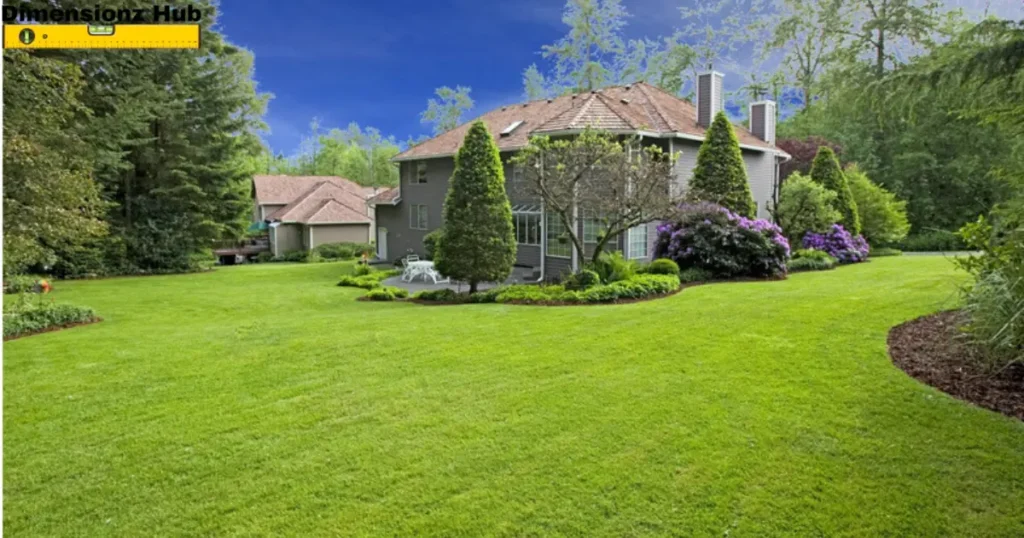
Many suburban backyards measure around 40 to 60 feet in length. A 50-foot backyard feels spacious but not overwhelming. It’s enough space for a lawn, seating area, or small garden while still feeling contained.
7: Two Telephone Poles Laid End to End
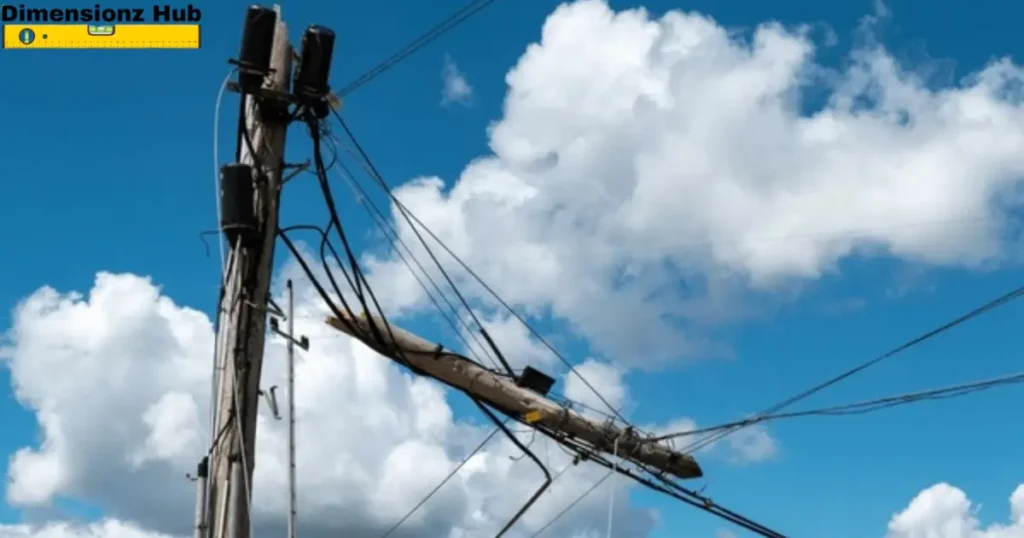
A standard utility or telephone pole is often about 25 feet long when visible above ground. Two of them placed end to end equal roughly 50feet. Since these poles are tall and noticeable, they provide a strong vertical-to-horizontal comparison.
8: A Swimming Pool Length (Short Pool)
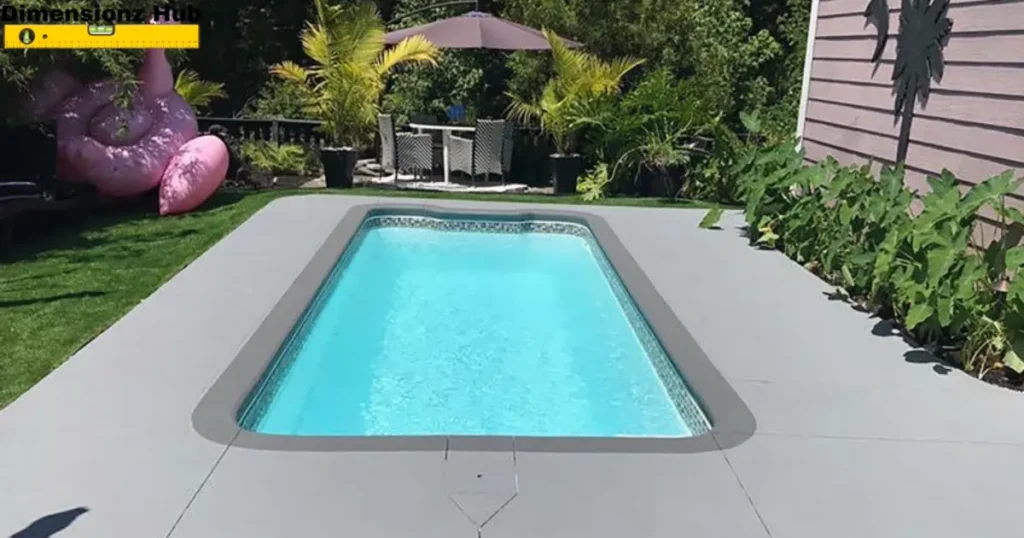
Some residential or hotel swimming pools are about 50 feet long. While Olympic pools are much longer, many community or private pools use this size. If you’ve swum across one, you already know how far 50 feet feels in your body.
9: A Large Semi-Trailer Widthwise
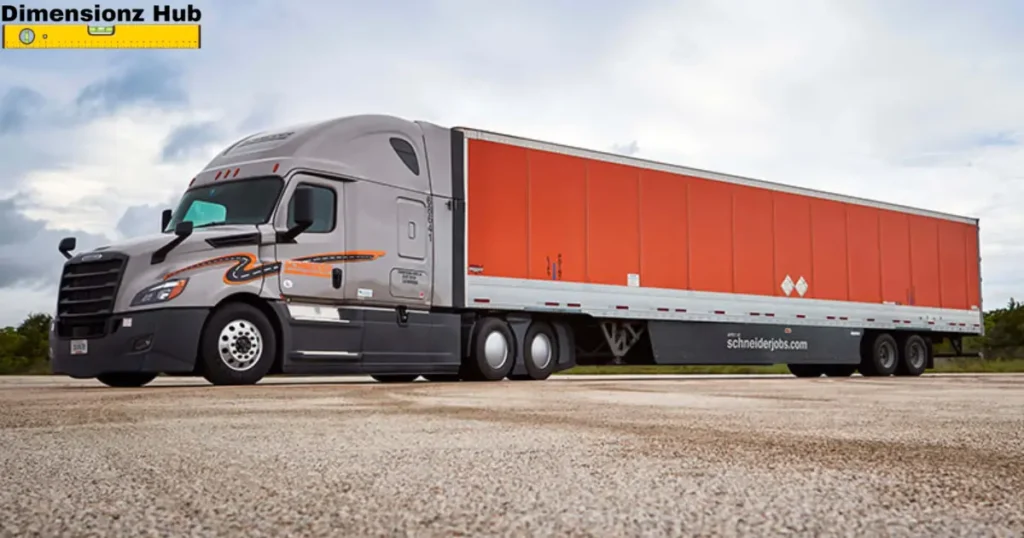
A semi-truck trailer is about 53 feet long. That means 50 feet is just slightly shorter than the length of a full trailer. This is helpful for visualizing the measurement in industrial or highway settings.
10: A Four-Story Building Height (Approximate)
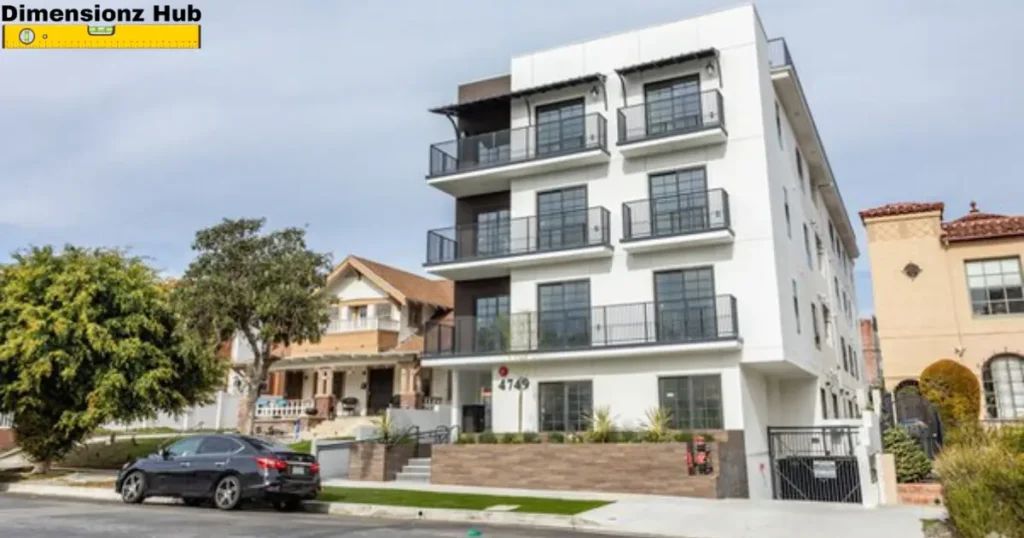
Each story of a building is roughly 12 feet tall. Four stories stacked together reach about 48 feet. So 50feet is close to the height of a four-story building. Looking up at such a building gives you a clear sense of vertical scale.
11: The Distance Across a Small Street
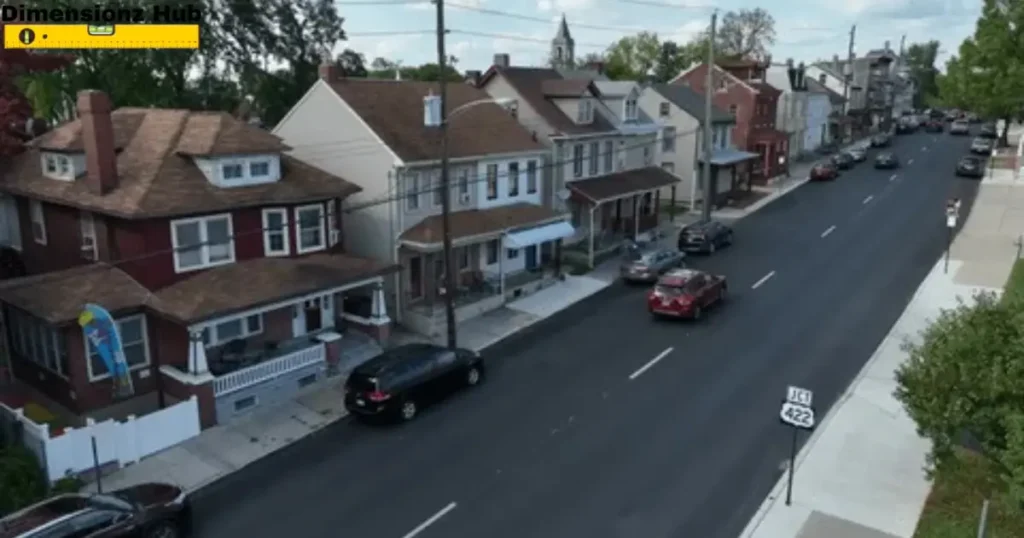
Many residential streets are around 30 to 40 feet wide. A wider residential or narrow commercial street may reach about 50feet from curb to curb. This helps visualize the distance in an outdoor, everyday environment.
12: A Long Garden Hose or Extension Cord
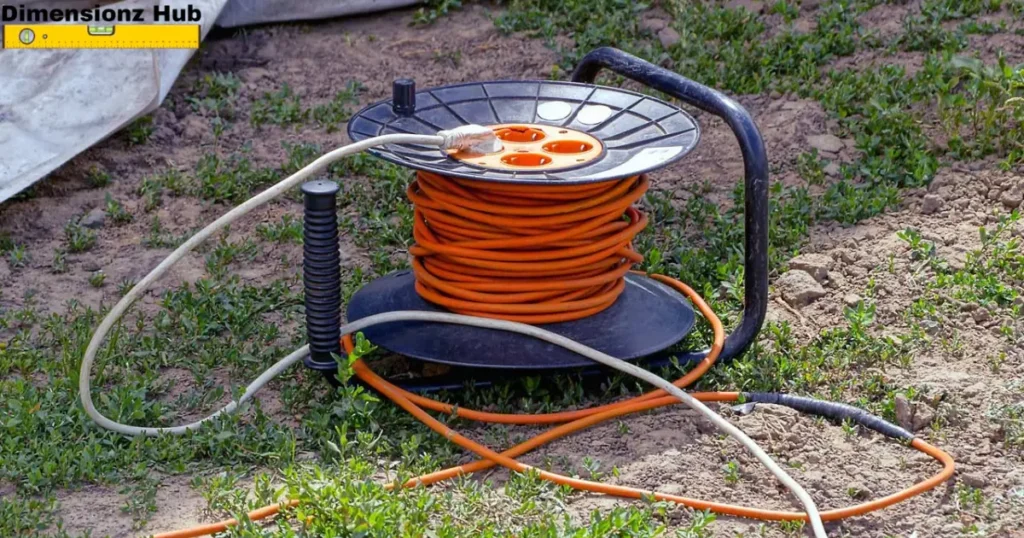
Garden hoses and extension cords are often sold in 50-foot lengths. If you’ve ever stretched one fully across a yard or driveway, you’ve already experienced exactly how long 50feet is.
13: The Length of a Mobile Home
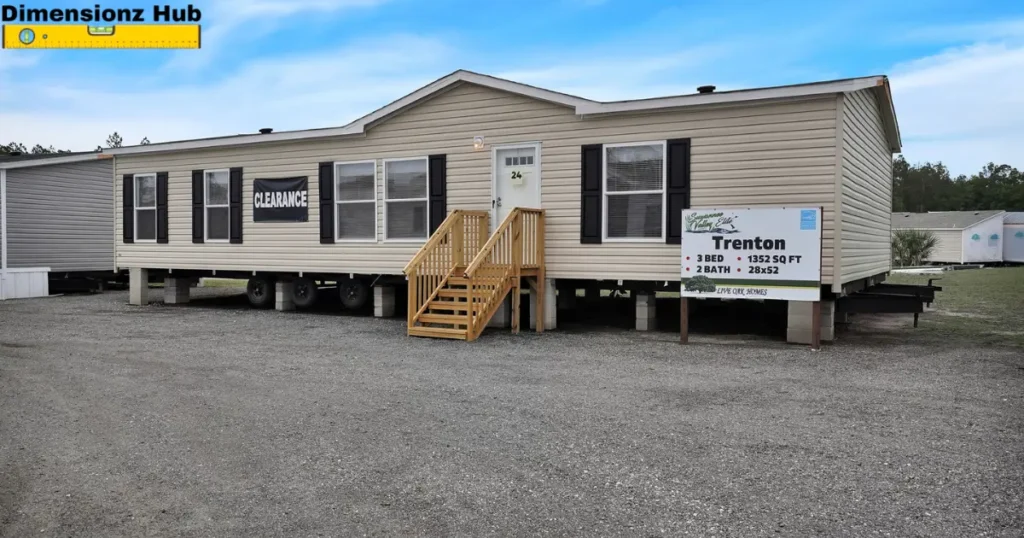
Single-wide mobile homes are often around 50 feet long. Walking from one end to the other gives a strong sense of this distance as an interior space.
14: Ten Adult Walking Steps Times Five

The average adult step is about 2.5 feet long. Twenty steps equal roughly 50feet. Counting steps is one of the most practical ways to feel this measurement physically.
15: A Long Hallway in an Office or School
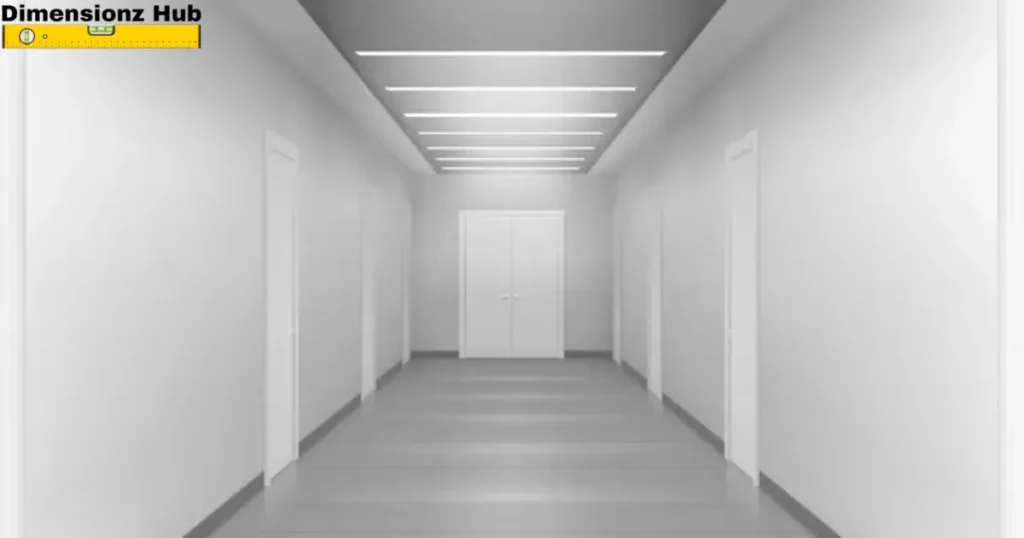
Many long hallways in schools, hospitals, or offices measure around 50feet between intersections or doors. Walking down such a hallway gives you a very accurate sense of how long the distance feels.
How to Measure 50 Feet Without a Ruler or Tape
Measuring 50feet without tools might sound difficult, but it’s actually very manageable using simple methods.
One of the easiest ways is counting steps. As mentioned earlier, the average adult step is about 2.5 feet. By counting 20 normal steps, you can get very close to 50feet. This method is widely used by surveyors and construction workers when tools aren’t available.
Another method is using objects of known length. If you know a car is about 10 feet long, lining up five cars mentally helps you estimate space. Similarly, using a 25-foot extension cord twice or two 25-foot hoses gives an accurate measurement.
You can also use arm spans. The average adult arm span is close to their height, usually around 5 to 6 feet. Eight to nine full arm spans equal approximately 50feet. While not perfect, this method works well for rough estimates.
Comparing 50 Feet With Other Measurements
When you compare 50 feet with other lengths, it becomes much easier to understand its place on the measurement scale.
Compared to 1 foot, 50feet is obviously much longer. One foot is the length of a ruler, while 50feet is the length of multiple rooms combined.
Compared to 10 feet, 50 feet is five times longer. A 10-foot distance might span a small room, while 50feet extends across large open spaces.
Compared to 100 feet, 50 feet is exactly half. If you imagine a football field end zone area, 50 feet would cover a noticeable but limited portion of the field.
Compared to 1 mile, 50 feet is extremely small. A mile contains 5,280 feet, so 50feet is only a tiny fraction of that distance.
FAQs
How long is 50 feet in walking distance?
For most adults, walking 50feet takes about 15 to 20 normal steps. It usually takes less than 10 seconds at a relaxed pace.
Is 50 feet considered a long distance?
It depends on context. Indoors, 50feet feels long. Outdoors, especially in open spaces, it feels moderate and manageable.
How many meters is 50 feet?
Fifty feet equals 15.24 meters.
How can I visualize 50 feet easily?
Imagine five parked cars in a row, a large backyard, or a school bus plus extra space.
Is 50 feet longer than a swimming pool?
Some pools are 50feet long, but many are longer. Residential and hotel pools often match this length.
How big is 50 feet compared to a house?
Many houses are around 40 to 60 feet wide, so 50feet often matches the width of a medium-sized home.
Can I measure 50 feet using my steps?
Yes. Counting about 20 average steps gives a very close estimate of 50feet.
See Also: How Long Is 18 Inches? Simple Guide With Examples
Conclusion
Understanding how long is 50 feet doesn’t have to be confusing. Once you connect the number to familiar things like cars, buses, houses, and walking steps, the distance becomes clear and memorable. Fifty feet is a meaningful length that appears often in daily life, from yards and buildings to cords, pools, and safety rules.
Now that you’ve seen real-life comparisons, physical movement references, and simple measuring techniques, you can confidently visualize 50feet anytime you hear it mentioned. Whether you’re planning space, shopping online, or just curious, this measurement no longer needs a tape measure to make sense.