
Many people search online to understand how long is 20 feet, especially when they see this measurement in construction plans, product descriptions, or outdoor space measurements. The simple answer is that 20 feet equals 240 inches or about 6.1 meters, which makes it a fairly long distance compared to most everyday objects.
To imagine it easily, think about the length of a large living room or the distance of about one and a half average cars parked end to end. That is roughly what 20 feet looks like in real life. While it is not extremely large like a football field, it is still a noticeable measurement that covers a good amount of space.
Understanding how long 20 feet is can be helpful in many situations. People often use this measurement when planning home renovations, measuring backyard spaces, installing fences, or comparing the size of large objects. In this guide, we will explain how long is 20 feet using clear conversions, real-life examples, and practical comparisons so you can easily picture this length.
20 Feet Conversion Chart
To better understand how long is 20 feet, it helps to convert it into other measurement units.
| Measurement Unit | Equivalent of 20 Feet |
| Feet | 20 ft |
| Inches | 240 inches |
| Yards | 6.67 yards |
| Meters | 6.1 meters |
| Centimeters | 609.6 cm |
| Millimeters | 6096 mm |
So if someone asks how long is 20 feet, you can also say:
It is a little more than 6 meters or about 6 and a half yards.
What Does 20 Feet Look Like?
Understanding how long is 20 feet becomes easier when you imagine a straight distance stretching across a room, driveway, or outdoor space.
For example:
- It is about the length of one and a half cars parked end to end.
- It is similar to the width of a large living room.
- It is close to the height of a two-story building.
This makes 20 feet a moderately large measurement that is commonly used for indoor and outdoor spaces.
Comparing 20 Feet With Other Measurements
Comparing different lengths can help you understand how long is 20 feet more clearly.
- 10 feet – about the height of a room ceiling
- 15 feet – length of a small room
- 20 feet – medium outdoor distance
- 30 feet – longer backyard measurement
- 50 feet – half a basketball court
From this comparison, you can see that 20 feet sits in the medium-large range of measurements.
Related Posts: 10 Common Everyday Things That Are About 4 Inches Long
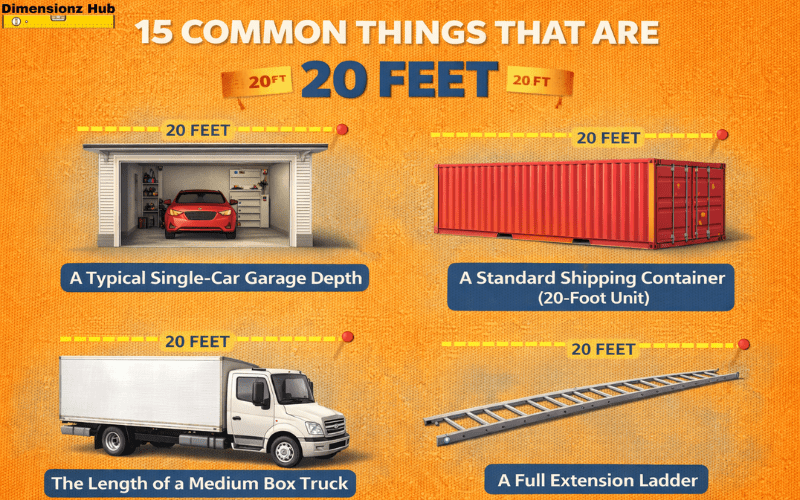
15 Everyday Things That Are About 20 Feet Long
Looking at real-world examples is one of the easiest ways to understand how long 20 feet really is.
1. A Typical Single-Car Garage Depth
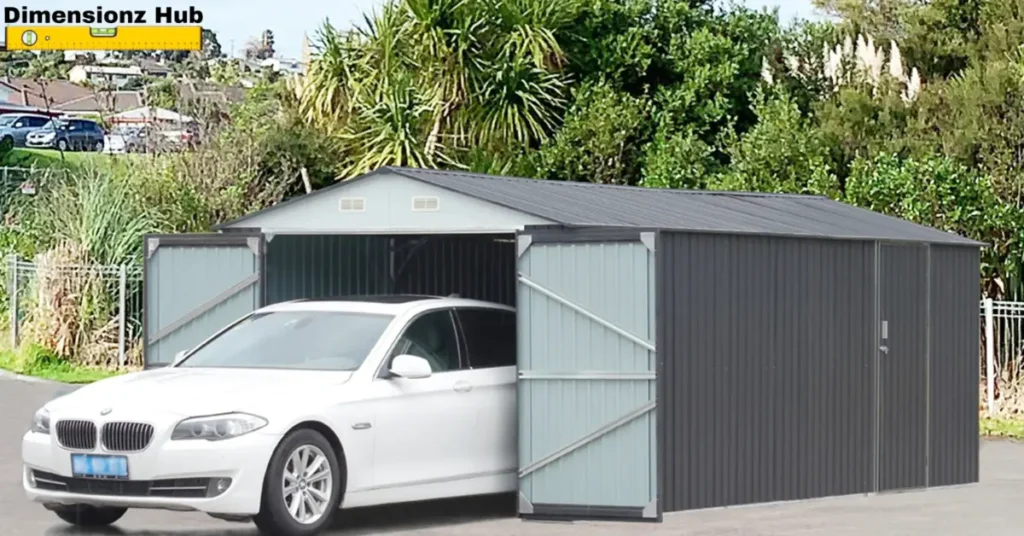
Most single-car garages range from 18 to 22 feet deep. Twenty feet is right in the middle of this range, making it a great example of this length.
2. A Standard Shipping Container (20-Foot Unit)
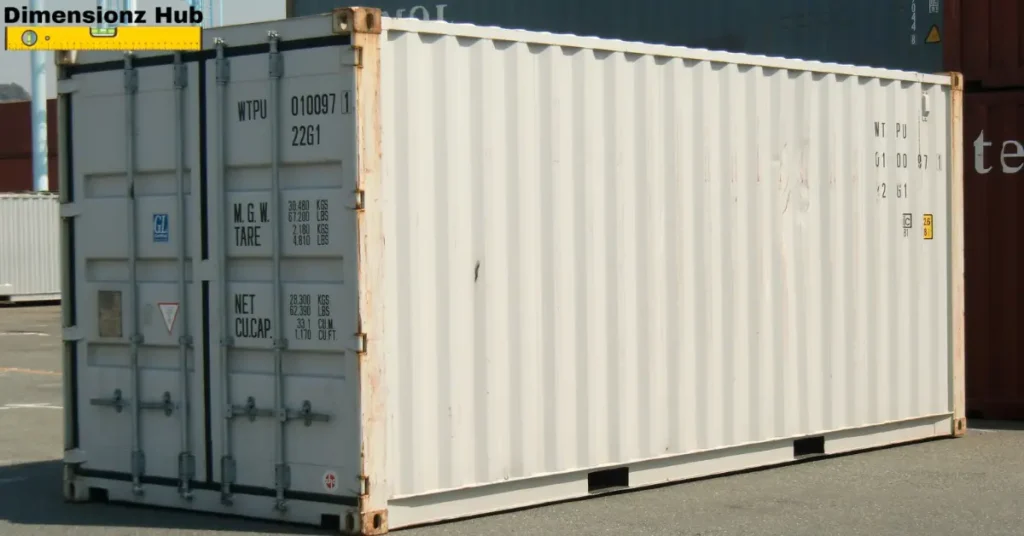
The widely used 20-foot shipping container is exactly 20 feet long.
3. Two Adult Bicycles Placed End to End
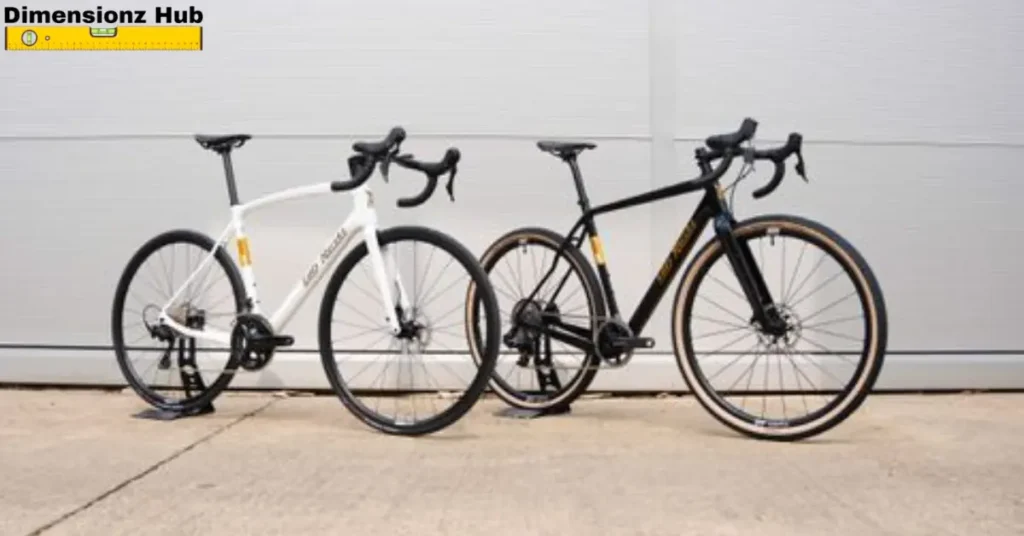
A standard adult bicycle is about 5 to 6 feet long. Placing three bicycles end-to-end creates a length close to 18–20 feet.
4. Three Standard Doors Stacked Horizontally

One door is typically around 6.5 to 7 feet tall. Three of them in a line equal around 19.5–21 feet.
5. The Length of a Medium Box Truck
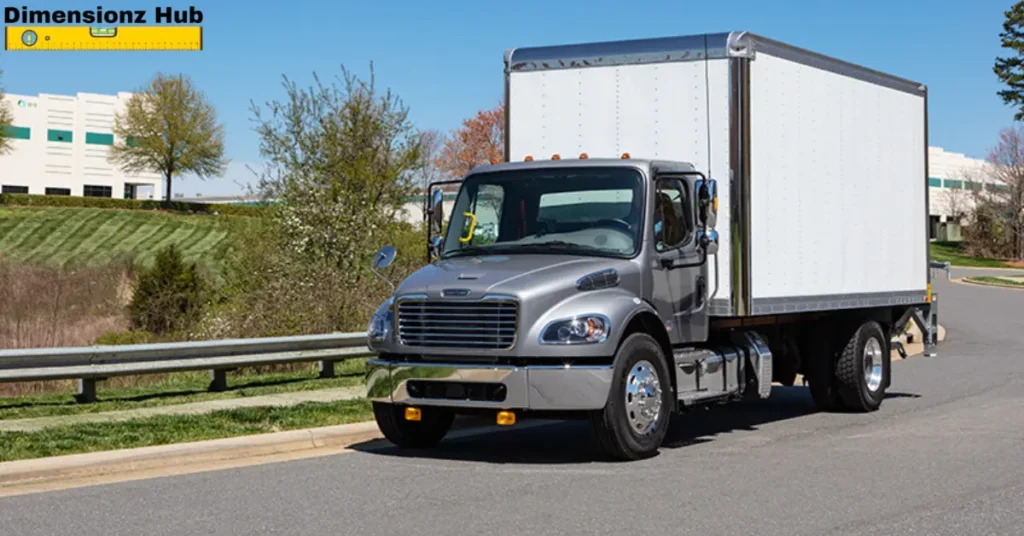
Trucks used for moving often have cargo spaces around 20 feet long.
6. A Large Room or Living Space
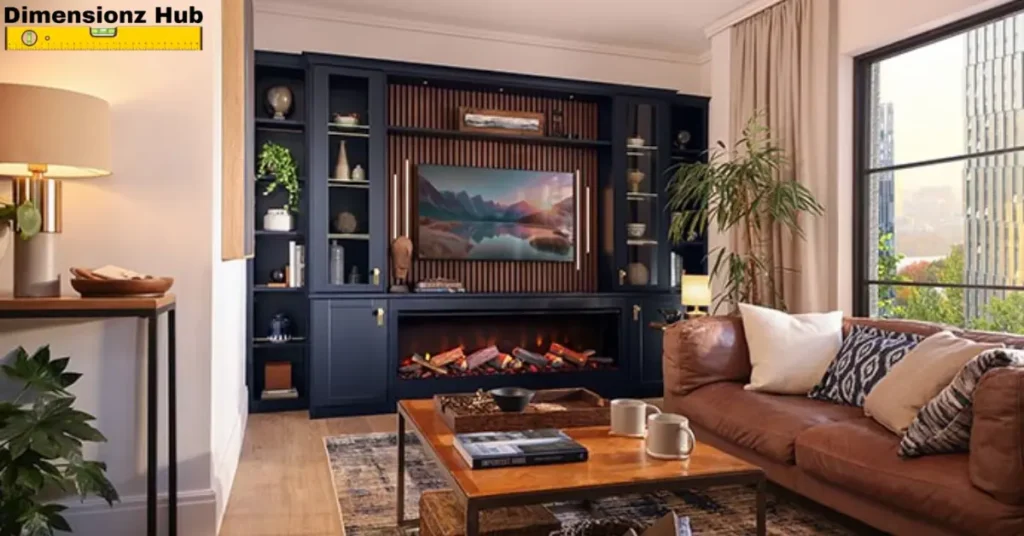
Many larger rooms in modern homes measure around 20 feet in one dimension.
7. The Distance of a Short Bowling Lane Segment

A full bowling lane is 60 feet long, so 20 feet is exactly one-third of a lane.
8. A Full Extension Ladder
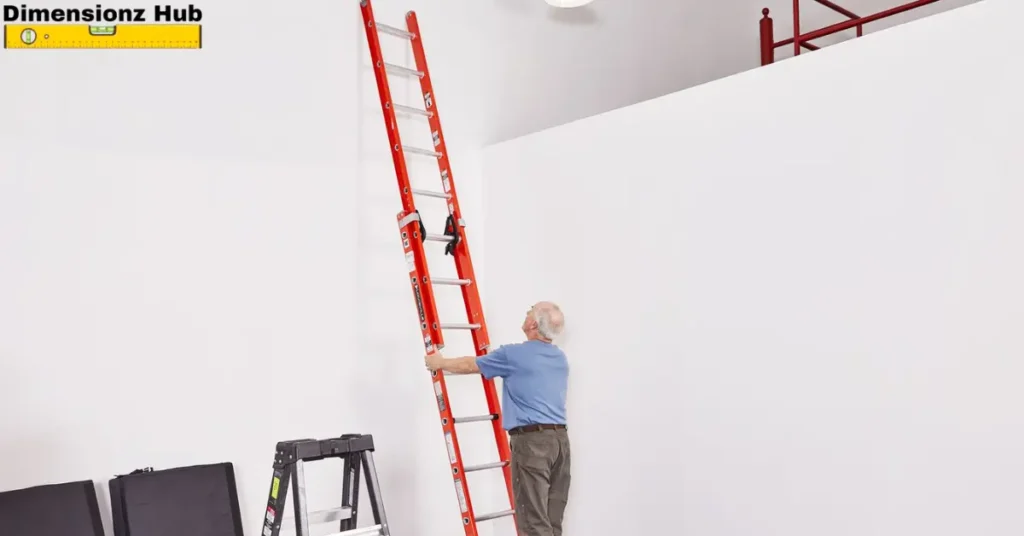
Many extension ladders reach around 20–24 feet when fully extended.
9. Four Queen-Size Mattresses in a Row

A queen mattress is about 5 feet long. Four lined up total 20 feet.
10. The Length of a Mid-Size Boat

Many recreational boats fall in the 18–22 foot range.
11. Two Standard Parking Spaces
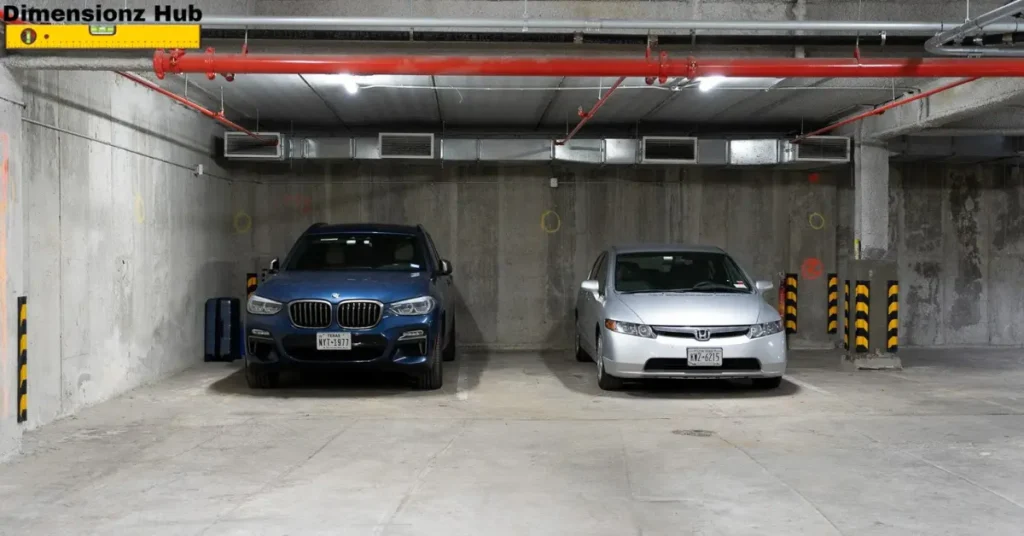
A typical parking space is about 9–10 feet long. Two in a row make roughly 18–20 feet.
12. The Height of a Two-Story House
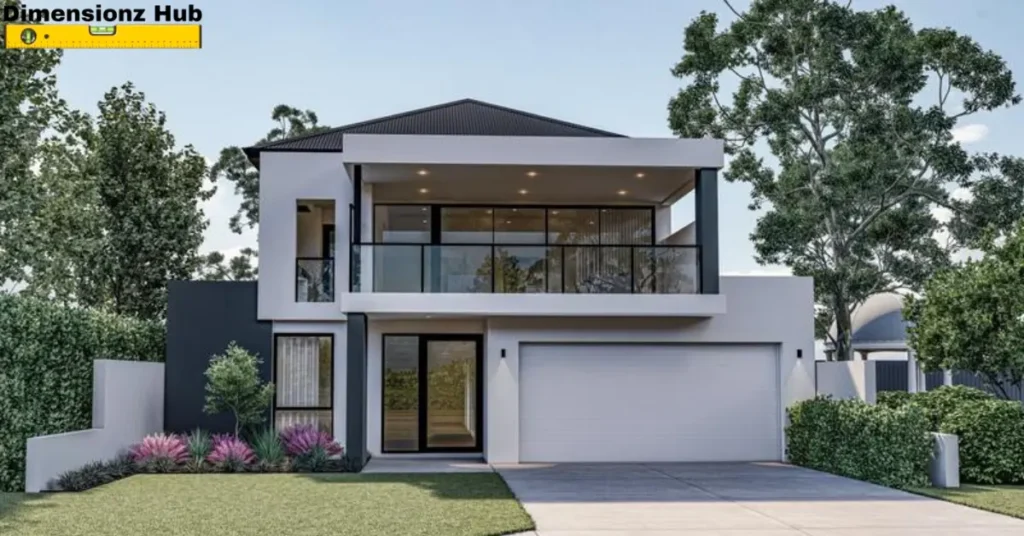
Most two-story homes are around 18–20 feet tall from ground to roofline.
13. A Basketball Hoop Raised Three Times

A standard basketball hoop is 10 feet high. Doubling it gives 20 feet, and triple height helps visualize it vertically.
14. Around Seven Adult Steps

An average step length is roughly 2.5 to 3 feet. Walking seven large steps covers around 18–21 feet.
15. A Standard Electrical Pole Segment
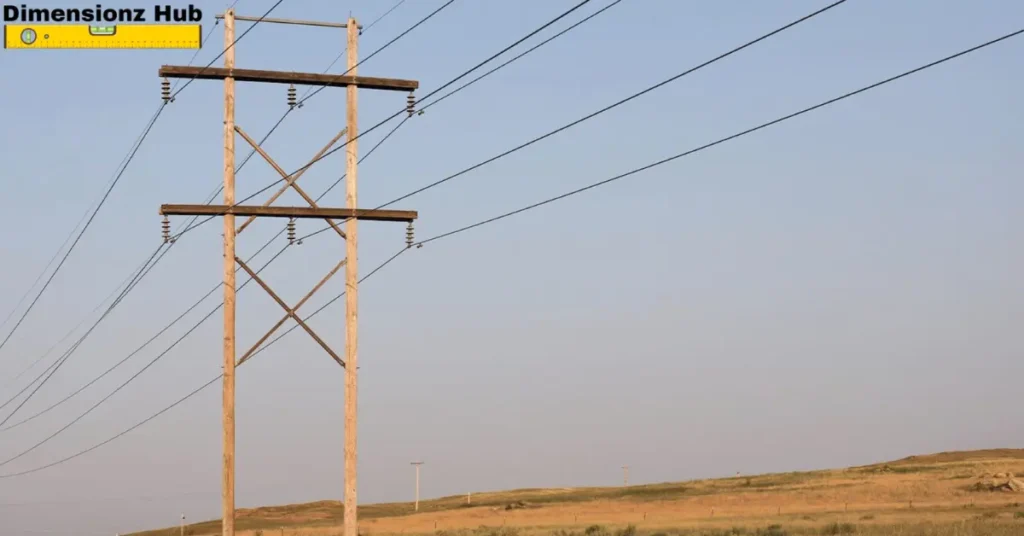
Many utility poles are built in sections of about 20 feet.
These examples help convert the abstract measurement into something you can see and imagine in your environment.
Is 20 Feet Considered Long?
In many everyday situations, 20 feet is considered a fairly long measurement.
For example:
- In a house → very long distance
- In a backyard → moderate length
- On a road → short distance
- In construction → common structural measurement
Because of this versatility, 20 feet is widely used in architecture, landscaping, and outdoor planning.
How to Measure 20 Feet Without a Tape Measure
If you don’t have a measuring tape, you can estimate how long is 20 feet using simple references.
For example:
- Walk about 8 large steps
- Compare with the length of one and a half cars
- Measure across a large living room
- Imagine the height of a two-story building
These comparisons help you visualize the distance quickly.
FAQs
How long is 20 feet in meters?
20 feet equals approximately 6.1 meters.
How many yards are in 20 feet?
20 feet equals 6.67 yards.
How many inches are in 20 feet?
There are 240 inches in 20 feet.
Is 20 feet longer than a car?
Yes, most cars are around 14–15 feet long, so 20 feet is longer than a single car.
How many steps is 20 feet?
For most adults, it is about 8 large walking steps.
Is 20 feet the size of a shipping container?
Yes, a standard shipping container is 20 feet long.
Is 20 feet a large room?
Yes, a room measuring 20 feet across is considered quite spacious.
Can a backyard be 20 feet long?
Yes, many small residential backyards measure around 20 feet or more.
Related Post: 15 Common Everyday Things That Are About 30 Feet Long
Final Thoughts
Now you clearly understand how long is 20 feet. It equals 240 inches, about 6.1 meters, or nearly 7 yards, making it a fairly large measurement used in many real-life situations.
By comparing it with familiar objects such as cars, shipping containers, conference tables, patios, and two-story buildings, it becomes much easier to visualize the distance without using a measuring tape.
Understanding measurements like this can help when planning outdoor spaces, estimating distances, or comparing the size of large objects in everyday life.